First Time at the Gym? The Complete Beginner Guide
Walking into a gym for the first time can be intimidating. This step-by-step guide from an OC personal trainer makes your first gym experience confident and effective.
First Time at the Gym? The Complete Beginner Guide
Walking into a gym for the first time is intimidating. Everyone seems to know exactly what they're doing. The equipment looks complicated. You're not sure where to start, what to do, or how to avoid looking like you have no idea what you're doing (even if you don't — yet).
Here's the truth: everyone was a beginner once. The confident gym-goers you see today were once exactly where you are. And the fastest way to go from intimidated beginner to confident gym member is to walk in with a plan.
This guide gives you everything you need for your first gym experience — from what to bring to what to do when you get there.
Before You Go: What to Bring
Gym bag essentials:
- Water bottle (hydration is non-negotiable)
- Workout shoes (cross-trainers or athletic shoes with good support)
- Comfortable workout clothes (moisture-wicking fabric is ideal)
- Towel (most gyms require one for equipment)
- Headphones (optional but helpful for focus)
- A notebook or your phone to log your workout
What to wear: Comfortable athletic clothing that allows full range of motion. You don't need expensive gear — just something you can move freely in.
Understanding the Gym Layout
Most commercial gyms in Orange County follow a similar layout:
Cardio area: Treadmills, ellipticals, stationary bikes, rowing machines. Usually near the entrance.
Free weights area: Dumbbells, barbells, weight benches. This is where most of the serious training happens.
Machine area: Cable machines, plate-loaded machines, selectorized machines. Great for beginners because they guide your movement pattern.
Stretching/functional area: Mats, foam rollers, resistance bands. Used for warm-ups, cool-downs, and mobility work.
Locker rooms: For changing and storing your belongings.
Don't be afraid to walk around and explore before your first workout. Familiarity with the layout reduces anxiety and helps you move efficiently between exercises.
Gym Etiquette: The Unwritten Rules
Following gym etiquette makes the experience better for everyone:
Re-rack your weights. Always put weights back where you found them when you're done. This is the most important rule in any gym.
Wipe down equipment. Use the provided spray and paper towels to wipe down machines and benches after use.
Don't hog equipment. If the gym is busy, avoid sitting on a machine while scrolling your phone between sets. Keep rest periods reasonable.
Ask before working in. If someone is using a piece of equipment, politely ask if you can work in (alternate sets) during their rest periods.
Give people space. Don't set up directly next to someone when there's plenty of open space elsewhere.
Keep phone calls outside. Take calls in the lobby or locker room, not on the gym floor.
Respect personal space. Don't offer unsolicited advice to other gym members.
Your First Workout: Keep It Simple
Your first workout should accomplish three things:
- Get you comfortable with the gym environment
- Introduce your body to basic movement patterns
- Leave you feeling good, not destroyed
Beginner Full Body Workout (45-60 minutes):
Warm-Up (10 minutes):
- 5 minutes light cardio (treadmill walk or bike)
- Arm circles, leg swings, hip rotations
- Bodyweight squats × 10
- Push-ups × 10 (or wall push-ups if needed)
Main Workout:
Lower Body:
- Goblet Squat (dumbbell): 3 sets × 10 reps
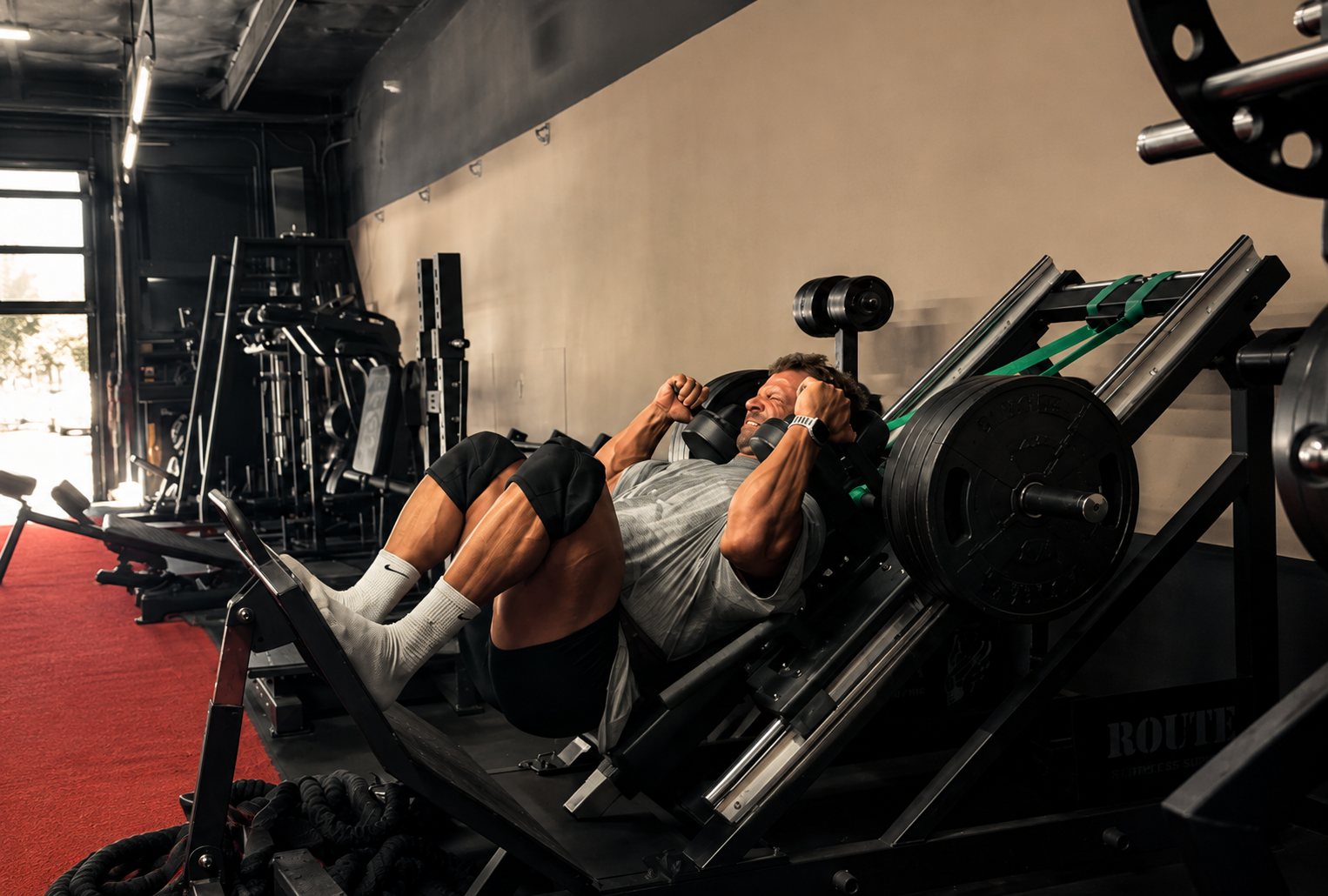
- Leg Press Machine: 3 sets × 12 reps
- Leg Curl Machine: 3 sets × 12 reps
Upper Body:
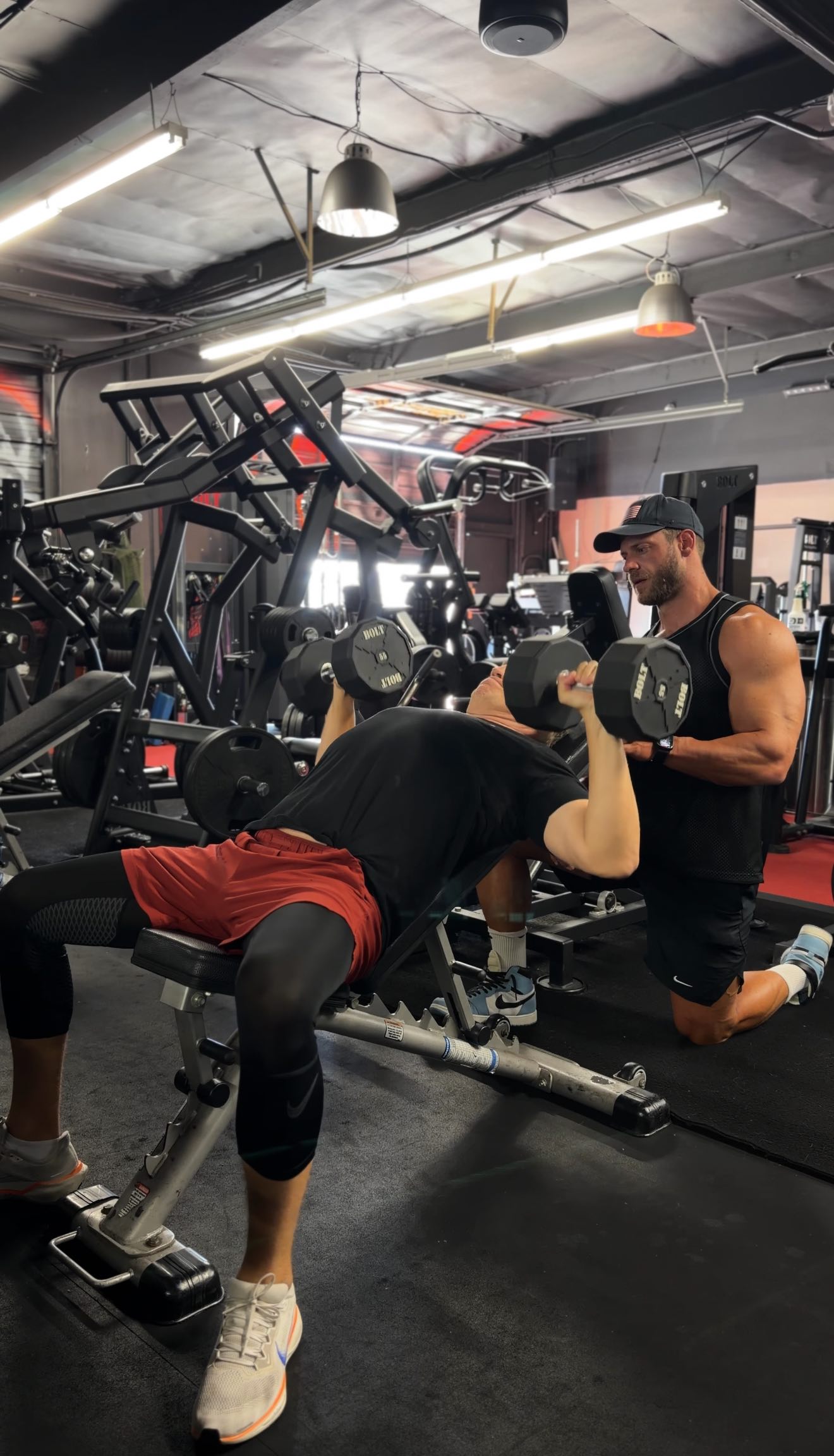
- Dumbbell Bench Press: 3 sets × 10 reps
- Seated Cable Row: 3 sets × 10 reps
- Dumbbell Shoulder Press: 3 sets × 10 reps
Core:
- Plank: 3 × 20-30 seconds
- Dead Bug: 3 × 8 each side
Cool-Down (5-10 minutes):
- Light stretching for major muscle groups
- Focus on areas that feel tight
Starting weight: Choose a weight that feels challenging for the last 2-3 reps of each set but allows you to maintain good form throughout. When in doubt, go lighter. You can always add weight next time.
How to Use Common Gym Equipment
Dumbbells
Dumbbells are the most versatile piece of equipment in the gym. They come in a range of weights and can be used for hundreds of exercises.
How to select the right weight: Pick up a dumbbell and do a few reps of the exercise you're planning. If the last 2-3 reps feel challenging but you can maintain good form, that's the right weight.
Cable Machines
Cable machines use a weight stack and pulley system to provide resistance. They're excellent for beginners because they guide your movement and allow you to train at various angles.
How to adjust: Most cable machines have a pin that you insert into the weight stack to select your resistance. The pulley height is usually adjustable via a pin or lever.
Plate-Loaded Machines (Leg Press, Chest Press, etc.)
These machines use weight plates rather than a weight stack. Load plates evenly on both sides and always use the safety locks.
Barbells
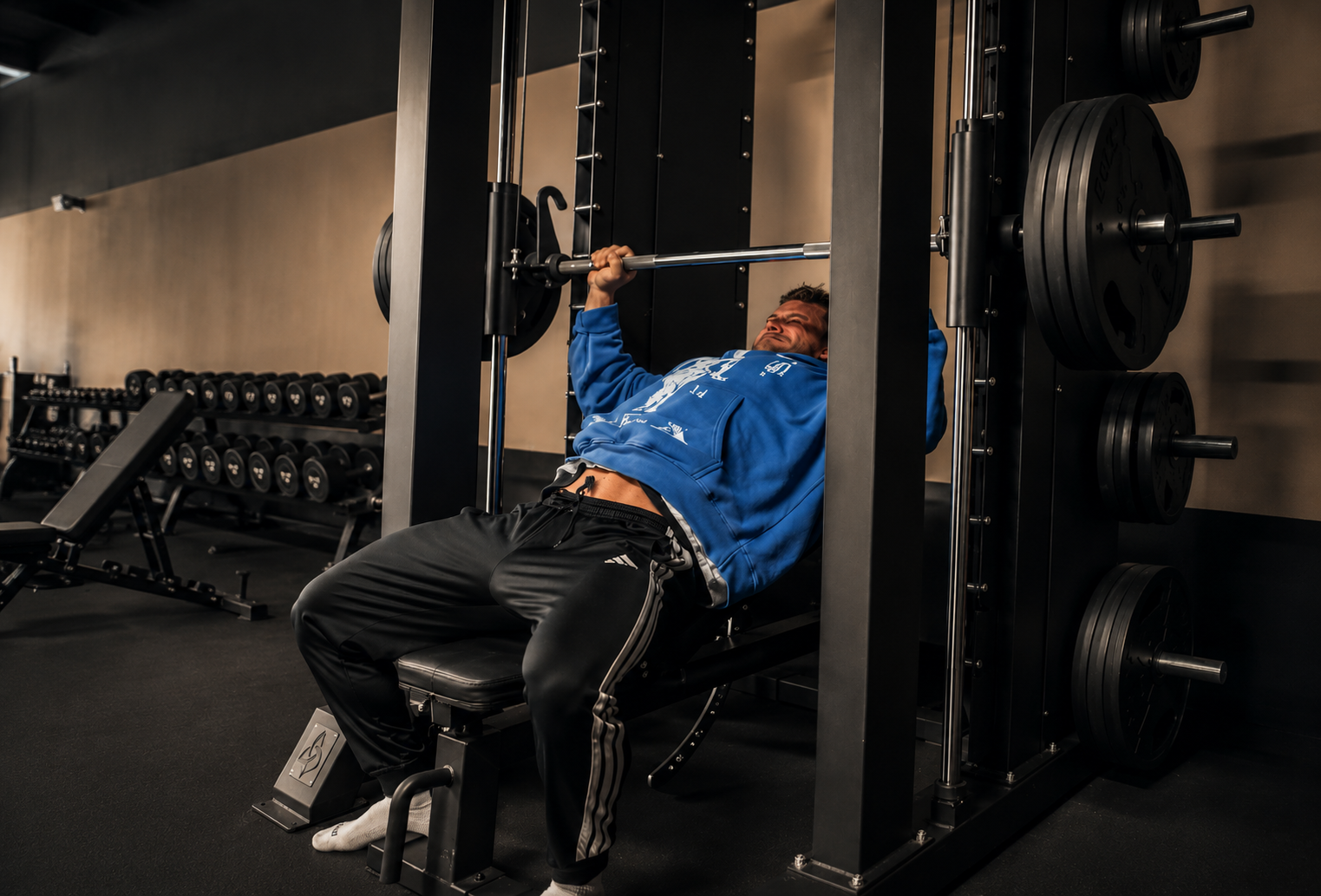
Barbells are the most effective tool for building strength, but they require more technique than machines. For your first few weeks, I recommend learning barbell movements with an empty bar (45 lbs) or a lighter training bar before adding weight.
How Often Should You Train as a Beginner?
Start with 3 days per week with at least one rest day between sessions. This gives your body adequate recovery time while providing enough training stimulus to make progress.
A simple schedule: Monday, Wednesday, Friday — or Tuesday, Thursday, Saturday.
As you build fitness and your body adapts (typically after 4-6 weeks), you can consider adding a fourth training day.
What to Expect in Your First Few Weeks
Week 1-2: You'll likely experience muscle soreness (DOMS — Delayed Onset Muscle Soreness) after your first few workouts. This is normal and will decrease as your body adapts.
Week 2-4: The soreness subsides and you start to feel more comfortable in the gym. You'll notice strength improvements quickly — this is mostly neural adaptation (your nervous system learning to recruit muscles more efficiently).
Month 2-3: Visible changes in body composition begin. Muscles become more defined, and you'll notice improvements in how your clothes fit.
Month 3-6: Significant strength and physique improvements. This is when the work really starts to pay off visually.
When to Consider Working With a Personal Trainer
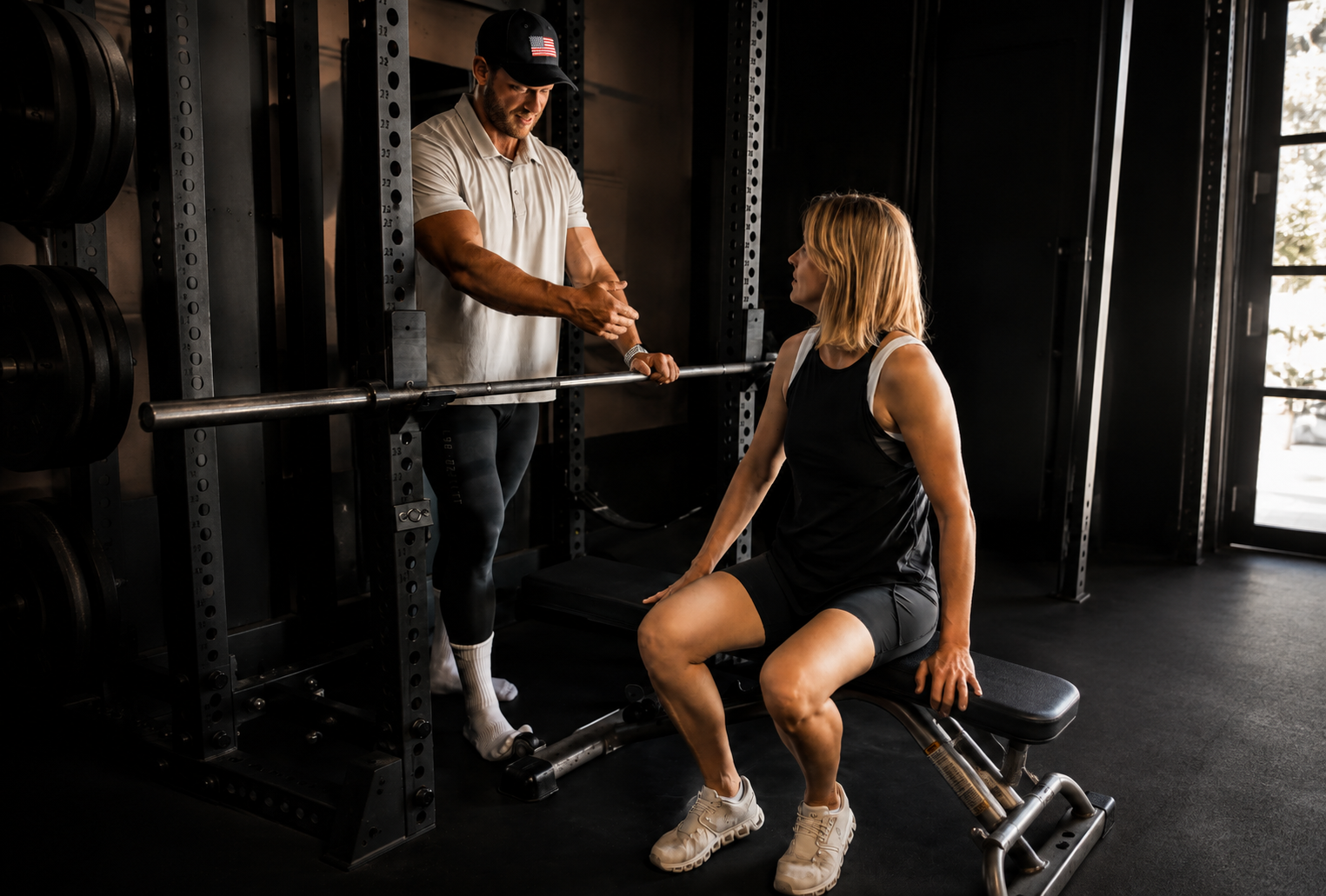
A personal trainer accelerates your progress by:
- Teaching proper technique from day one (avoiding bad habits that are hard to break later)
- Building a program specifically for your goals and body
- Providing accountability and motivation
- Adjusting your program as you progress
If you're serious about getting results efficiently, working with a personal trainer for at least your first few months is one of the best investments you can make.
I offer a free first consultation to all new clients in Newport Beach, Irvine, Costa Mesa, and Huntington Beach. Text 949-820-0874 to schedule yours.
Explore Topics
Written by
FitnessTrainerOC
Content creator and writer sharing insights and stories.